
Minimally invasive, maximally effective
What you need to know
about Interventional Radiology.

As technology keeps improving so does innovation in the world of medical procedures. IR is a process by which medical/surgical procedures are aided by radiological instruments and machinery in order to diagnose and treat a multitude of complications.
The uses of IR varies significantly, but it is always used to improve and guide other procedures. This makes IR a multi-disciplinary field, by which medical professionals use radiological images as a means by which to execute minimally invasive surgical procedures through minor incisions in the body. IR can consist of a variety of other radiological procedures, including MRI, Computerised Tomography, Ultrasound and/or Fluoroscopy.
As technology keeps improving so does innovation in the world of medical procedures. IR is a process by which medical/surgical procedures are aided by radiological instruments and machinery in order to diagnose and treat a multitude of complications.
The uses of IR varies significantly, but it is always used to improve and guide other procedures. This makes IR a multi-disciplinary field, by which medical professionals use radiological images as a means by which to execute minimally invasive surgical procedures through minor incisions in the body. IR can consist of a variety of other radiological procedures, including MRI, Computerised Tomography, Ultrasound and/or Fluoroscopy.
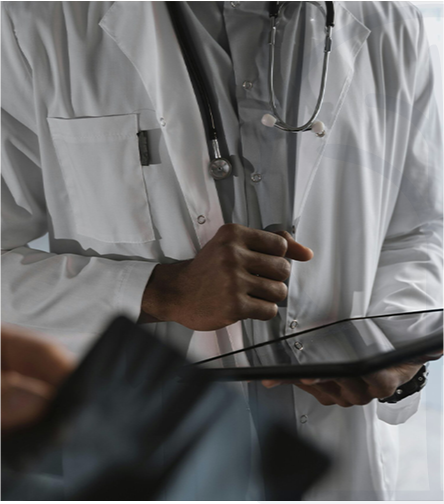
Often IR is recommended when an underlying issue (often detected from a previous diagnostic image) needs to be further assessed to inspect possible abnormalities inside the body that could be harmful to the patient.
IR is often preferable over traditional open surgery wherever possible. The benefits of IR include a reduction in cost to the medical practitioner and patient, shortens the recovery time, while minimising pain and risk to the patient.
We offer a range of minimally invasive, image-guided procedures that provide alternative treatment options to surgery. Our procedures include:
We offer a range of minimally invasive, image-guided procedures that provide alternative treatment options to surgery. Our procedures include:
- Insertion and Removal of Ports (for Chemotherapy)
- Insertion and Removal of Perm Cath (for Dialysis)
- TACE – Transhepatic Angio Chemo Embolisation
- TIPS – Transjugular Intrahepatic Portosystemic Shunt
- SIRT – Selective Internal Radiation Treatment
- Cerebral Angiograms / Embolisations (Aneurysms and Arterio-Venous Malformations)
- Body Angiograms and Embolisations (Bronchial / Pulmonary / Gastric / Hepatic / Renal / Femoral / Brachial)
- Uterine Fibroid Embolisation (UFE)
- Prostate Artery Embolisation (PAE)
- Percutaneous Transhepatic Cholangiogram (PTC and Biliary Tree Imaging)
- Percutaneous Nephrostomy and Ureteric Stents
- Varicocele Embolisation
- Venoplasty
- Stereotactic Breast Biopsy
- Fine Needle Aspirations
- Sacroiliac Joint / Facet Joint Injections
- Nerve Root Blocks / Perineural Injections
- PRP Injections
- Arthrograms
- Bone Biopsy
- The procedure may be done as an outpatient, a same-day hospital stay, or an in-patient procedure.
- For Port/Permanent Catheter bookings: Patients receive a full explanation when booking the procedure. If booked through referring doctors, an explanation will be provided upon arrival.
- For more complex procedures, the Radiologists consult with patients beforehand.
- Sedation or General Anaesthesia (GA) may be required depending on the procedure.
- Patients must arrange a responsible driver if sedation is administered.
- Bring previous scans (MRI, CT, X-ray, Ultrasound) if not done at our facility.
- Blood tests may be required before the procedure; these will be arranged at booking.
We are trained to use most of the latest technology available in the radiology industry.
We believe that by staying ahead of the industry standard, we can produce more accurate results in a shorter turn-around time, providing you with peace of mind in the process.
We believe in professionalism that isn’t cold. We treat each of our patients with the respect that they deserve while maintaining a positive relationship with each one.
Due to the often-serious nature of diagnostic testing, we always aim to treat our patients with warmth and compassion.
Our team of health professionals have been chosen for their ability and expertise.
We are committed to developing each of our team members beyond their current level of expertise. In this way we provide a consistent, quality service that patients can rely on.
In all our practises, we make our patients’ safety our top priority. This is why we will prepare you for every diagnostic test before we conduct it.
As we work with complex machines to carry out our imaging procedures, there are some inherent risks that each procedure presents, these are risks we want to minimise by putting your safety first.
Knowledge is the foundation of the work we do in the practise. We believe that, in order to provide you with the quality of service you deserve as patient, developing our expertise and proficiency in a variety of fields is a necessity.
We are committed to continue learning and broadening the scope of what we understand about radiology and its practise so that we can create a safer, positive experience for all our patients.
Few (although risks vary by procedure). Although Interventional Radiology relies on minimally invasive surgical processes, it is to be expected that bleeding or infection are some of the smaller risks. Always consult your radiologist about the risks involved so that you are well-informed of what your situation requires.

Some general guidelines, however, include the following:
- On the day of your IR, refrain from eating/drinking before the procedure.
- Consult your doctor regarding the continuation or discontinuation of medication before your procedure.
Instructions may vary, however these general guidelines may apply:
- After IR you will generally not be allowed to drive home, so please arrange the necessary transportation.
- Where applicable, the radiologist will review the data and send a report to your doctor.
Shelly Beach Details
Monday – Sunday
Open 24/7
Amanzimtoti Details
Monday – Friday
8:00AM – 5:00PM
Shelly Beach Private Hospital
Umbogintwini, Amanzimtoti, Durban